Analysis & trends · 2006 → 2023
What the numbers say
Fragmentation, geography of the vote, turnout, representation and parity: non-partisan readings computed from the official results.
A president elected by 31 registered voters out of 100, an Assembly of 19 effective parties, deputies elected with 8% of the vote.
- Effective parties (2023)
- 19
- Candidates per seat
- 36
- Votes that elected no one
- 68.3%
- Women elected (Assembly)
- 10.1%
The lessons
Six takeaways
2023 legislative elections
Elected with how many votes?
36
candidates per seat
17,218 candidates · 473 seats
68.3%
of votes elected no one
go to candidates who are not elected
141
deputies elected with < 5%
that is 30% of the Assembly
Elected deputies by their share of their constituency's vote
The median deputy is elected with 8.4% of the vote; the lowest winning score is 0.4% (Mireille MASANGU Bibi Muloko, AB, Lubumbashi Ville).
Proportional list vote (highest average): seats go to lists, not to the candidates who came first. Source: CENI results by constituency.
Geography of the vote
National or regional? How concentrated the vote is
For each candidate, provinces are ranked from the largest to the smallest contribution; the curve adds up their share of the national total.
Félix Tshisekedi
7 provinces for 50%
Kinshasa 10% · Nord-Kivu 9% · Kasaï 8%
Moïse Katumbi
3 provinces for 50%
Haut-Katanga 22% · Haut-Lomami 17% · Lualaba 12%
Martin Fayulu
1 province for 50%
Kwilu 52% · Kinshasa 22% · Kwango 18%
Fragmentation
How many parties really count?
Effective number of parties in the Assembly
The chamber remains among the most fragmented in the world, but it is tightening: the largest party has 69 seats (UDPS) against 62 in 2011.
Laakso–Taagepera index, 1/Σp². The aggregated “other parties” are counted as single seats (upper bound).
Effective number of presidential candidates
2023 is the least contested election: 1.73 effective candidates, against 3.05 in 2018, the closest election.
Presidential elections 2006 → 2023
The winner and the runner-up
The gap goes from 3.7 points in 2018 to 55.2 points in 2023: from the closest to the widest election in the country's democratic history.
Turnout
Do strongholds vote more?
Size = votes cast · colour = local winner · hover a province.
Correlation r = −0.24: turnout does not follow the party map. The provinces most favourable to the president are not the ones that vote most.
Turnout: 2023 provincial assemblies (same election day). Unweighted Pearson correlation across 26 provinces.
Parity
Women, from candidacy to seat
parity goal (50%), Article 14 of the Constitution
Women are elected in the same proportion as they run (10.2% → 10.1%): the parity gap is decided when parties choose their candidates, not at the ballot box.
Changes & outlook
Swings, turnout and 2028 scenarios
Comparative analysis
Change 2018→2023
Change in percentage points from the previous presidential election.
2018 winner
Tshisekedi
UDPS · round 1
38.57%
UDPS gain
+34.9 pts
The largest gain in DRC history
2023 winner
Tshisekedi
UDPS · re-elected
73.47%
Swing by party (pts)
Parties present in both elections · positive = gain, negative = loss
Historical data
Voter turnout 2006–2023
Turnout and registered voters at each presidential election.
2006
65.74%
25.7M registered
2011
56.63%
32M registered
2018
47.56%
40.3M registered
2023
42.65%
41.7M registered
Turnout & registered voters by election
Bars = turnout (%) · Line = registered voters (M)
Electoral outlook
2028 presidential — The succession race
Félix Tshisekedi, elected in 2018 and re-elected in 2023, is reaching the end of his second and last constitutional term. For the first time since 2006, the DRC will hold an election without the incumbent president running.
Article 220 of the Constitution — term-limit clause
The DRC Constitution expressly forbids a third presidential term. Any attempt to amend this clause is deemed unconstitutional by the Constitutional Court. Tshisekedi cannot legally run again in 2028.
Round 1 scenario
Illustrative scenario · OpenCongoData model based on the 2023 results · no published 2028 poll exists to date
⚠ Illustrative scenario, not a forecast or a poll · more than 2 years before the vote
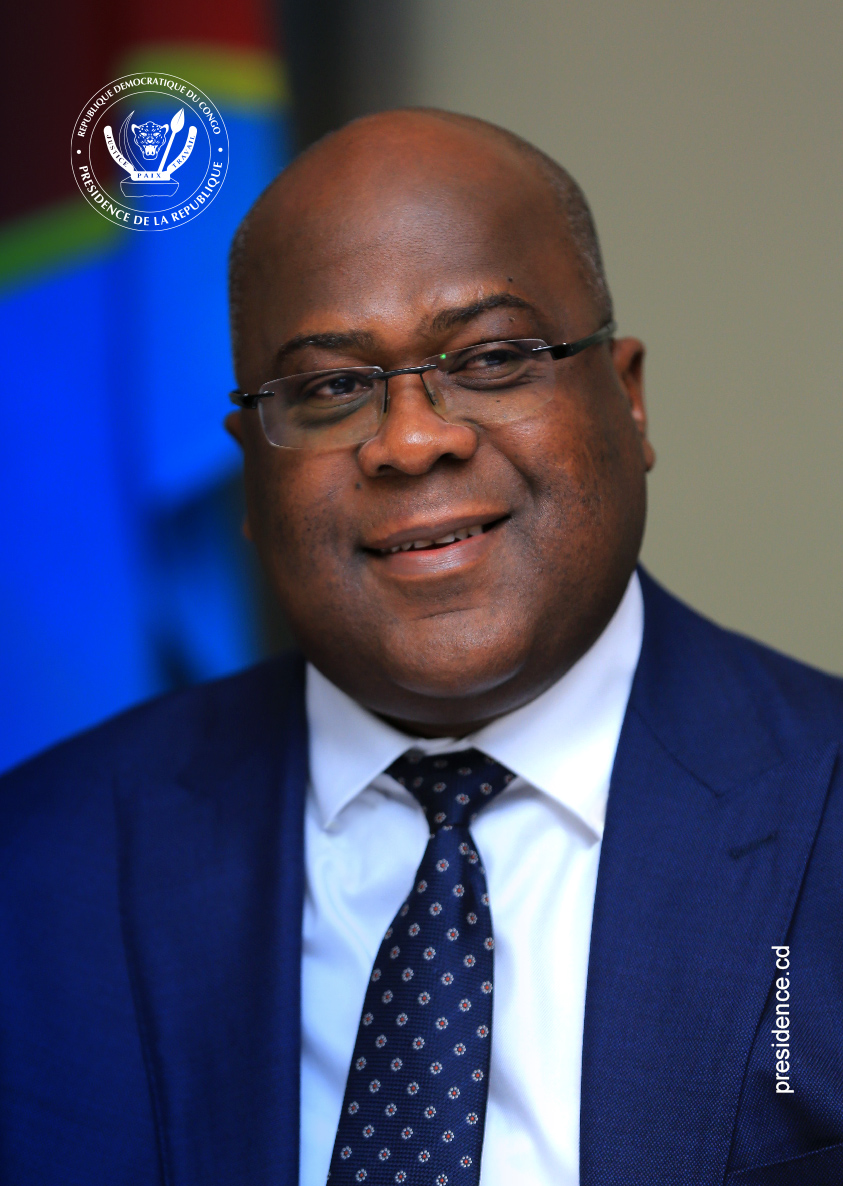
UDPS successor
UDPS coalition
29%
24–35% range
Strongholds
Candidate profile
Heir to the presidential coalition. Strong in Greater Kasai but its identity is still undefined.
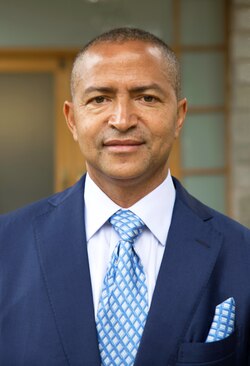
Moïse Katumbi
EPR
27%
22–34% range
Strongholds
Candidate profile
2nd in 2023 with 18%. Considerable resources, large diaspora. Greater Katanga as a stronghold.
Vital Kamerhe
UNC
13%
8–18% range
Strongholds
Candidate profile
Speaker of the National Assembly. A former Tshisekedi ally. A solid base in the Greater East.
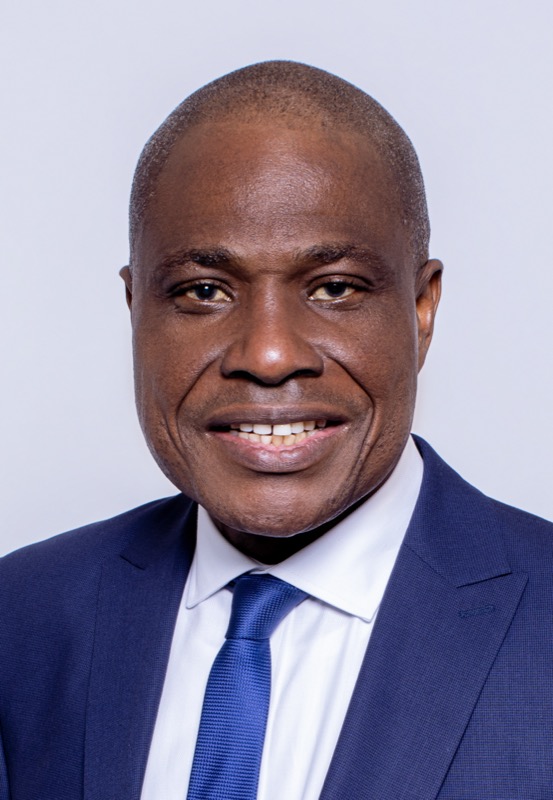
Martin Fayulu
ECiDé
11%
6–17% range
Strongholds
Candidate profile
Claims the 2018 result. Loyal support in Kinshasa and the diaspora, but a limited coalition.
Denis Mukwege
Independent
10%
5–18% range
Strongholds
Candidate profile
2018 Nobel Peace Prize. Strong international profile. First political campaign.
Jean-Pierre Bemba
MLC
7%
4–12% range
Strongholds
Candidate profile
Back from The Hague. Historic base in the Greater West. Able to capture the anti-UDPS vote.
Likely scenarios
Katumbi vs UDPS successor
The opposition stays fragmented. Only Katumbi emerges as a credible challenger to the UDPS candidate. The presidential machine and its 21 provinces won in 2023 give it a structural edge.
UDPS successor elected in round 1 with ~38–45%
Opposition coalition wins
Katumbi, Fayulu, Kamerhe and Bemba agree on a single candidate before round 1. Such a combined bloc exceeds 55% and sidelines the presidential camp.
Historic transition — the first change of camp since 2006
Third-term scenario (constitutional amendment)
Voices within the UDPS push to amend Article 220 of the Constitution. Tshisekedi would have a qualified majority to amend it, but would trigger a major institutional crisis.
International protest, constitutional crisis, risk of sanctions
The coalition equation
If the opposition unites
Katumbi + Fayulu + Kamerhe + Bemba + Mukwege add up to ~68% of projected intentions. A single opposition candidate would win in round 1. It is the scenario the UDPS fears most.
If the opposition stays fragmented
With 6 major candidates, the opposition vote splits and the UDPS successor can win with 35–40% thanks to party discipline and state resources. The history of Congolese presidential elections leans towards this scenario.
OpenCongoData calculations from CENI results (presidential 2006–2023, legislative and provincial 2023). 2028 projections for information only.